Martini Christmas Sublimation Design: A Designer’s Review
As an embroidery designer who has spent countless hours digitizing and testing files for real-world application, I approach every new asset with a critical eye. We are not just looking for pretty pictures; we are looking for stitchability, visual impact, and commercial viability. When I first loaded the Martini Christmas Sublimation Design into my workflow, I was immediately struck by its playful juxtaposition of holiday tradition and modern cocktail culture. This is not your grandmother’s holly-and-ivy motif. It is bold, witty, and undeniably stylish.
For those of us running small shops or managing craft business inventories, finding designs that stand out in a saturated market is crucial. This piece falls under the category of Illustrations, which often presents unique challenges when translated from screen to thread. However, the clean lines and distinct color blocks in this design suggest it was created with conversion in mind. Let’s break down how this design performs in actual production environments.
First Impressions and Visual Personality
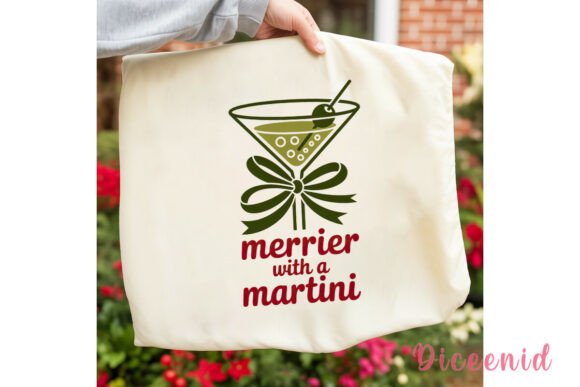
The immediate mood of the Martini Christmas Sublimation Design is sophisticated fun. It captures the essence of a "cheers to the season" vibe without being overly kitschy. The layout is balanced, with a clear focal point that draws the eye. For an embroidery project, this is vital. If a design is too cluttered, the machine struggles to define edges, and the final product looks muddy. Here, the shapes are distinct enough to allow for crisp satin stitch borders or clean fill stitch areas, depending on how you choose to digitize or adapt the sublimation art for stitching.
I envision this working beautifully as a central graphic on a high-quality tote bag or as a chest logo on a premium sweatshirt. The visual personality is versatile; it appeals to younger demographics who appreciate humor in their holiday decor, as well as adults hosting festive gatherings. It feels like a design that belongs in a boutique rather than a big-box store.
Real-World Application Scenarios
To truly evaluate a design, you must imagine it on a finished product. I recently considered using a similar aesthetic for a custom order of holiday party favors. Imagine this design embroidered on a set of linen kitchen towels. The contrast of the martini glass against the textured fabric would create a tactile, luxurious feel. Alternatively, picture it on a canvas tote bag design. The sturdy fabric supports the weight of the stitches, ensuring the design remains flat and professional.
For Etsy sellers and handmade shop owners, this design offers excellent potential for personalized gifts. You could easily add a monogram below the glass or incorporate a year date. This transforms a standard holiday embroidery item into a keepsake. It also works well for custom apparel, such as crewneck sweatshirts for bridal parties or friend groups celebrating the holidays together. The theme is specific enough to be seasonal but broad enough to appeal to various social circles.
If you are creating an embroidered patch, this design’s compact nature is a significant advantage. Patches require dense stitching to hold their shape, and the contained layout of the martini motif allows for high stitch density without becoming stiff or unmanageable. It would look striking sewn onto a denim jacket or a holiday-themed beanie.
Technical Considerations for Stitching
While the visual appeal is strong, we must address the technical realities of converting a sublimation-style illustration into a machine embroidery design. Sublimation prints rely on smooth gradients and fine details, which do not always translate directly to thread. If you are using this as a reference for digitizing, pay close attention to the small details. Tiny elements, such as the olive or the rim of the glass, may need to be simplified.
When working with thread colors, contrast is key. Ensure that the green of the olive or the liquid in the glass stands out against the background fabric. If you are stitching on dark fabric, you may need to adjust your underlay stitches to prevent the fabric color from peeking through. Always test the design on scrap fabric first. This allows you to check for puckering and ensure that the stabilizer you are using provides adequate support.
Be cautious with curved surfaces like caps. The curvature can distort the design, making the straight lines of the martini glass appear bent. In such cases, consider reducing the size of the design or using a cut-away stabilizer for added stability. Also, avoid placing the design over seams or thick layers, as this can cause needle breaks and uneven stitching.
Commercial Viability and Brand Consistency
From a business perspective, the Martini Christmas Sublimation Design adds value to your product line. It signals to customers that your brand is current, humorous, and attentive to detail. High-quality design assets like this help build customer trust. When buyers see crisp, well-executed embroidery, they perceive higher value, which can justify a higher price point.
For digital embroidery file sellers, offering this design in multiple formats can expand your reach. However, always confirm licensing terms before selling finished items or digital products. Not all designs are cleared for commercial use, and protecting your business from legal issues is paramount. If the license allows, create printable mockups to showcase the design on various products. This helps potential buyers visualize the end result and increases engagement.
Practical Designer Notes
- Test on Scrap Fabric: Always run a test stitch-out to check for registration issues and thread breaks.
- Check Thread Contrast: Ensure your thread colors pop against the fabric. Use a black and white mockup to verify value contrast.
- Review Stitch Density: Adjust density based on fabric type. Lower density for stretchy fabrics to prevent distortion.
- Confirm Hoop Size: Ensure the design fits comfortably within your hoop, leaving room for stabilization.
- Inspect Small Details: Simplify tiny elements that may not stitch out cleanly at smaller sizes.
- Use Proper Stabilizer: Match the stabilizer to the fabric weight and type for best results.
- Verify Licensing: Confirm whether the design is licensed for personal or commercial use before selling.
In conclusion, the Martini Christmas Sublimation Design is a compelling choice for designers looking to add a touch of modern whimsy to their holiday collections. With careful attention to technical details and thoughtful product selection, it can become a standout item in your small shop product lineup. Whether you are creating a personalized gift for a friend or stocking your online store, this design offers the flexibility and flair needed to succeed in today’s creative marketplace.